Common problems with bulky rubbish disposal in Ifield
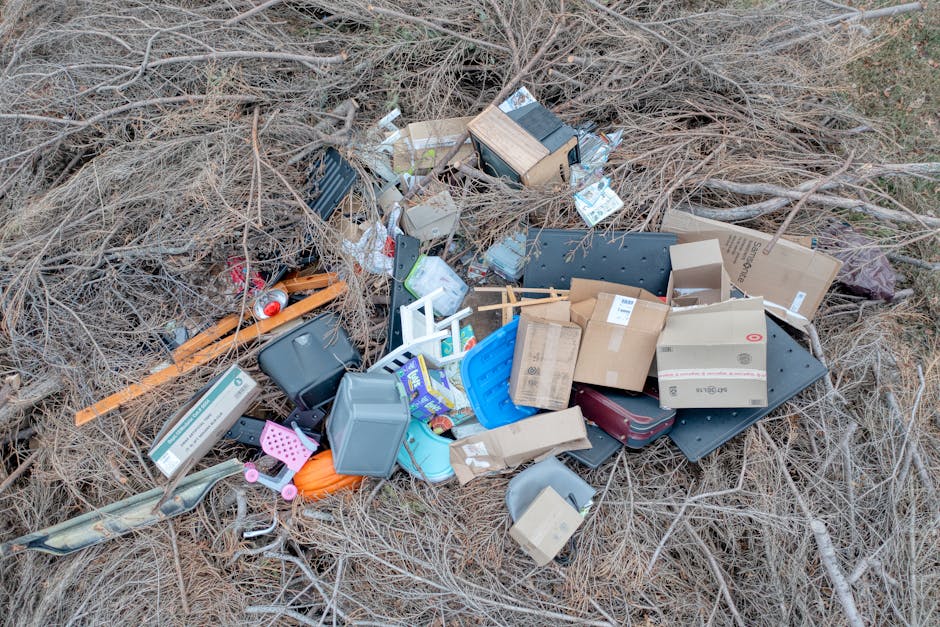
If you have ever stared at an old sofa, a broken wardrobe, or a pile of garden clutter and thought, "Right... how on earth am I meant to move this?", you are in the right place. Common problems with bulky rubbish disposal in Ifield are usually less about the rubbish itself and more about access, timing, cost, and what happens after the item leaves your home. That is the bit people often underestimate.
Bulky waste sounds straightforward until you actually have to deal with it. Items are awkward, heavy, dusty, and rarely in the right place. Stairways are tight, parking can be annoying, and the rules around disposal are not always as clear as they should be. This guide breaks down the real-world issues people run into in Ifield, plus practical ways to avoid the stress. No fluff. Just the stuff that helps.
Why bulky rubbish disposal in Ifield matters
Bulky rubbish is not just an eyesore. Left too long, it can block hallways, attract pests, create trip hazards, and make a property feel neglected. In a place like Ifield, where homes, flats, garages, and shared spaces can vary quite a bit, disposal problems often come down to how practical the collection is rather than how much waste there is.
One awkward item can create a chain reaction. A mattress blocks the landing. A wardrobe door catches on the stairwell. A broken freezer sits in the garden because no one has room in the car. Then suddenly the job that looked like "just one quick clear-out" becomes a weekend headache. Let's face it, nobody enjoys dragging a scratched-up chest of drawers around in drizzle while the kettle goes cold inside.
There is also a financial side. If bulky waste is damaged during a rushed move, it can scuff walls, damage flooring, or injure someone lifting it incorrectly. And if disposal is delayed, the clutter can affect how you use the room. That spare room stops being a bedroom or office. The garage stops being useful. The whole house feels tighter than it should.
For people comparing options, it may help to look at broader clearance services such as home clearance or house clearance when bulky items are only part of a larger clean-up. In some cases, the simplest route is to combine items rather than tackle them one by one. Saves time. Saves effort. Usually saves a fair bit of annoyance too.
How bulky rubbish disposal works
In practical terms, bulky rubbish disposal means getting large, heavy, or awkward household items removed safely and then sent for appropriate reuse, recycling, or disposal. The exact process depends on the item, the access to the property, and whether you are dealing with one item or several.
Typical bulky items include sofas, beds, mattresses, wardrobes, tables, garden furniture, white goods, large appliances, exercise equipment, shed contents, and unwanted office furniture. If you have ever tried to angle a wardrobe through a narrow doorway, you will know why planning matters. The dimensions matter. The route matters. The parking matters. Even the weather matters a bit, if the item has to be carried outside first.
A sensible disposal process usually follows this pattern:
- Identify the items and separate bulky waste from general rubbish.
- Check whether anything can be reused, donated, or dismantled.
- Measure access points such as doors, stairs, lifts, and side paths.
- Decide whether you will move it yourself or use a clearance service.
- Arrange the collection, ensuring the load can be handled safely.
- Confirm what will happen afterwards: reuse, recycling, or disposal.
It sounds simple on paper. In real life, the friction points are usually access, time, and sorting. A proper bulky rubbish job is not just "take it away." It is a small logistics exercise, and that is why it often feels harder than people expect.
Where the waste is mixed with furniture or general household contents, a dedicated service such as furniture clearance or furniture disposal may be more appropriate than trying to handle everything as generic waste.
Key benefits and practical advantages
There are some obvious advantages to handling bulky rubbish properly, but the less obvious ones matter just as much. The big win is space, of course. Yet the real value often comes from what that space lets you do next.
- Safer rooms and walkways: fewer trip hazards, less strain, less clutter.
- Less stress: no need to borrow a van, recruit a mate, or puzzle over lifting angles at 7am.
- Better use of space: a garage becomes a garage again, not a holding bay for "stuff".
- Cleaner finish: items are removed in one go rather than dragged in bits through the house.
- Better sorting: reusable or recyclable items can be separated more easily.
There is also a mental benefit people rarely mention. Once the clutter leaves, the room changes character. It feels lighter. Quieter, even. You notice the floor again. The light comes in differently. That may sound a bit poetic for rubbish removal, but it is true enough.
For more challenging spaces, services like loft clearance or garage clearance can be especially useful because these areas often collect the biggest, oddest, most awkward items. The kind nobody wants to think about twice.
Who this is for and when it makes sense
Bulky rubbish disposal is not only for major house moves or end-of-tenancy clear-outs. In Ifield, it often makes sense for anyone dealing with awkward items that are too large for normal bins and too difficult for a standard car boot.
It is especially relevant if you are:
- clearing an old sofa, bed frame, mattress, or wardrobe;
- refreshing a room after decorating or rethinking the layout;
- emptying a garage, loft, shed, or outbuilding;
- moving out of a flat with limited lift or stair access;
- dealing with items from a bereavement or inherited property;
- removing office chairs, desks, or filing units from a workspace;
- tackling mixed waste after DIY, garden work, or a small renovation.
If the job involves a property with shared access, narrow corridors, or awkward parking, the case for organised collection gets stronger fast. For flats especially, flat clearance can be a practical route because stairs, lifts, and neighbours make bulky lifting a bit more delicate.
To be fair, some people can manage one item themselves. A chair? Possibly. A lightweight table? Maybe. A large wardrobe with no help and no lift? That is where optimism tends to meet reality.
Step-by-step guidance
If you want a smoother bulky rubbish job, process matters. A little planning up front saves far more time than most people expect.
- List everything clearly. Write down each item, including anything that may need dismantling.
- Check condition. If something is reusable, say so. That can change the best disposal route.
- Measure access. Width of doors, stair turns, lift size, driveway access, and where a vehicle can stop.
- Separate materials. Wood, metal, fabric, electrical items, and mixed materials are handled differently in practice.
- Remove hazards first. Pull out loose glass, sharp fittings, or snagging screws before moving anything large.
- Choose the right service. If the job includes mixed household items, consider a broader waste removal option rather than forcing everything into one category.
- Confirm timing and access. Make sure the collection window works for parking, neighbours, and your own schedule.
- Prepare the items. Empty drawers, fold down beds, tape doors shut, and stack parts neatly if dismantled.
- Keep a clear route. Move shoes, rugs, bins, and breakables out of the way before anyone starts lifting.
Here is the bit that gets skipped most often: prepare the route, not just the item. A clear hallway can be the difference between a 15-minute job and a frustrating shuffle that leaves scratched paint and everyone slightly irritated. Not ideal.
Expert tips for better results
After seeing how these jobs usually unfold, a few habits make a noticeable difference.
- Take photos before booking. Even a basic photo helps identify size, quantity, and awkward access.
- Ask what is included. Loading, lifting, dismantling, and sweep-up are not always the same thing.
- Check if items can be reused. If one chair is still sound and another is not, split them mentally before disposal day.
- Keep a backup plan for parking. In tight streets, a van space can disappear fast.
- Bundle jobs where sensible. If you also need a loft, garage, or house clearance, doing it together can be easier than multiple small visits.
One practical tip that people appreciate: label anything you want to keep before the clear-out starts. It sounds obvious. It is also how a treasured box of paperwork avoids a very accidental trip into the wrong pile. Happens more than you might think.
If your waste includes office furniture, IT-related clutter, or commercial items, you may want to look at office clearance or business waste removal instead of treating it like ordinary household rubbish. The better the match, the smoother the job.
Common mistakes to avoid
Most bulky rubbish problems are avoidable. The trouble is, people usually discover that after the difficult bit has already happened.
- Underestimating the weight. A "light" wardrobe becomes less light once you tilt it down stairs.
- Forgetting about dismantling. Bed frames, tables, and shelving often need parts removed first.
- Not checking access. A collection crew cannot magically widen a stairwell.
- Mixing everything together. Hazardous bits, electronics, furniture, and general waste should not be bundled blindly.
- Leaving it until the last minute. Rushed jobs lead to poor sorting and more lifting risk.
- Choosing the wrong service size. A single-item collection and a full-property clearance are not the same thing.
There is one more mistake worth calling out: assuming "it will probably be fine." Sometimes it is. But sometimes fine turns into a twisted ankle, a dented wall, or an item that will not fit through the door after all. Bit of a mood killer, that.
When bulky items are part of a larger decluttering project, a broader service such as house clearance or home clearance may prevent those piecemeal mistakes because the job is organised as one coordinated visit.
Tools, resources and recommendations
You do not need specialist kit for every bulky disposal job, but a few basic tools help a lot.
- Measuring tape: for doors, hallways, lifts, and item dimensions.
- Work gloves: useful for splinters, rough edges, and awkward grips.
- Furniture straps or lifting aids: handy for heavier items, though they are not a substitute for good judgement.
- Blankets or cardboard sheets: to protect floors and walls on the way out.
- Screwdrivers or a basic tool kit: for dismantling beds, shelves, and tables.
- Strong bags or boxes: for screws, fittings, and loose parts.
From a planning point of view, one of the best resources is a clear inventory of what is going. Sounds dull, but it helps. A simple note on your phone can do the trick. Include item names, estimated sizes, and whether each one is reusable, broken, or mixed material.
It can also help to think in categories: furniture, white goods, garden waste, builders' debris, and mixed household clutter. If the job crosses into post-renovation waste, builders waste clearance may be more suitable. Different waste types call for different handling. That is just the reality of it.
If you want reassurance about how a company handles customer information, payment security, or operational standards, pages like payment and security, insurance and safety, and health and safety policy are useful signals to check before booking.
Law, compliance, standards, or best practice
Bulky waste disposal in the UK should be handled with care, especially if any part of the load could be classed as waste that needs responsible transfer, sorting, or onward treatment. You do not need to become a legal expert to do this properly, but you should expect the work to follow accepted waste-handling practices.
In plain English, best practice usually means:
- items are handled safely during lifting and loading;
- waste is sorted sensibly rather than dumped as one mixed mass where avoidable;
- reusable items are separated where practical;
- materials are taken to appropriate facilities or channels;
- the service provider can explain what they do with collected waste;
- insurance and safety procedures are in place.
For you as the customer, the main thing is to avoid informal disposal routes that create uncertainty. If you are paying someone to remove bulky waste, you want confidence that they know what they are doing and that the load will be managed responsibly. That is not being fussy. That is sensible.
It is also worth checking service terms carefully, especially where access issues, cancellation, or extra loading time could affect the visit. A quick read of terms and conditions can save a lot of back-and-forth later on. Not glamorous, sure, but useful.
If sustainability matters to you, a company's approach to reuse and recycling is worth a look too. The recycling and sustainability page can help you understand whether the provider tries to divert as much as possible away from disposal. That is a better outcome for most people, and honestly, it just feels better.
Options, methods, or comparison table
There are several ways to deal with bulky rubbish, and the best option depends on volume, access, urgency, and how much lifting you want to do yourself. Here is a simple comparison.
| Method | Best for | Pros | Watch-outs |
|---|---|---|---|
| Self-removal | One or two manageable items | Can be low cost if you already have transport | Heavy lifting, parking, and time all fall on you |
| Local recycling or disposal drop-off | Smaller loads and sorted materials | Good for organised, pre-sorted waste | Requires transport and more effort than many people expect |
| Specialist bulky waste collection | Awkward items, mixed loads, difficult access | Less physical strain, more convenient, often faster | Needs clear booking details and the right service fit |
| Full property clearance | Whole rooms, houses, garages, lofts, or estates | Efficient for larger jobs and mixed contents | Not always necessary for a single item |
If you only have one sofa and easy access, self-removal might be enough. If you have a broken wardrobe, two mattresses, and a hallway that turns at a funny angle, specialist help starts to look very appealing. That is usually where people go from "I can probably manage" to "actually, maybe not."
Case study or real-world example
A typical Ifield scenario goes like this: a family decides to clear out an old spare room before turning it into a study. The room contains a bed base, a bulky chest of drawers, an old desk, and a few bags of mixed clutter. At first it sounds like an easy Saturday job.
Then the practical issues show up. The bed base does not fit neatly round the stair bend. The desk is heavier than expected. One drawer is jammed shut. The hallway is narrow, and there is a narrow window of time for parking outside. By mid-morning the job is taking longer than the whole family wanted, and everyone is a bit fed up. Fair enough, really.
They solve it by measuring the large items first, removing loose contents, and booking a coordinated clearance rather than making multiple trips. The result is simple: the room is cleared in one visit, the walls stay intact, and the family gets the room ready for decorating that same afternoon. Nothing dramatic. Just a cleaner, smoother process.
That is the point, really. The best bulky rubbish job is the one that feels boring because it went smoothly. No scraped corners, no half-finished pile in the driveway, no "we'll do the rest next weekend."
Practical checklist
Use this checklist before you arrange bulky rubbish disposal in Ifield.
- Have I listed every bulky item clearly?
- Do I know which items are reusable, broken, or mixed material?
- Have I measured doors, stairs, lifts, and access routes?
- Is there enough space for a vehicle to load safely?
- Do I need dismantling tools before collection day?
- Have I removed personal belongings from drawers, cupboards, and pockets?
- Are floors, corners, and walls protected where needed?
- Have I checked whether the job is really a furniture, loft, garage, or full-house clearance?
- Do I understand the booking terms and what is included?
- Have I chosen the most practical route for reuse, recycling, or disposal?
If you can tick most of those off, the rest of the process usually becomes much easier. Not effortless, perhaps. But easier.
Get a free quote today and see how much you can save.
Conclusion
The common problems with bulky rubbish disposal in Ifield usually come down to three things: awkward access, poor planning, and choosing the wrong method for the job. Once you spot those issues early, everything gets easier. You can measure properly, separate items, choose the right clearance type, and avoid the usual last-minute scramble.
The good news is that bulky waste does not need to become a big drama. A bit of preparation, the right expectations, and a clear plan go a long way. And when the job is bigger than you want to handle yourself, getting help is not overkill. It is often the sensible option.
For a team-focused approach, you can also learn more about the company behind the service on the about us page or make direct contact through the site when you are ready to talk through your specific clearance needs. The main thing is to keep it practical, keep it safe, and take the pressure off yourself a little.
And once the bulky stuff is gone, the room has a habit of feeling hopeful again. That matters more than people think.
Frequently Asked Questions
What are the most common problems with bulky rubbish disposal in Ifield?
The most common problems are awkward access, heavy lifting, limited parking, unclear sorting, and not knowing whether an item should be reused, recycled, or disposed of. Large items often create more friction than people expect.
Can I dispose of bulky rubbish myself?
Yes, if the items are manageable and you have the right transport and lifting support. But once items are heavy, awkward, or located upstairs, self-removal becomes riskier and more time-consuming.
Is it better to book a furniture clearance or a general waste removal service?
It depends on what you have. If the load is mainly sofas, beds, tables, or cabinets, furniture-focused disposal may be the better fit. If the waste is mixed, a broader waste removal service can be more practical.
What should I do before a bulky waste collection?
Measure the items, clear access routes, remove personal belongings, and check whether anything needs dismantling. A quick preparation step often prevents delays on the day.
Do bulky items need to be separated before collection?
In many cases, yes. Separating furniture, electricals, metal, and mixed waste helps with handling and makes it easier for the material to be routed correctly afterwards.
What if my bulky item will not fit through the doorway?
That is common enough. Sometimes the item can be dismantled, but if not, a clearance team may need to assess the access route or remove it in parts. Measuring first is the smart move.
Are loft and garage clearances useful for bulky waste?
Very much so. Lofts and garages are classic places for bulky items to build up over time. A dedicated garage clearance or loft clearance can make the job more organised and less chaotic.
How do I know if a provider is handling waste responsibly?
Look for clear information about safety, insurance, recycling, and how items are processed. Pages like recycling and sustainability and insurance and safety are good signs that the business takes the job seriously.
What bulky items are hardest to remove?
Wardrobes, mattresses, sofa beds, large desks, and white goods are often the trickiest because they are heavy, bulky, or awkward to angle through tight spaces. Add stairs and it gets even more interesting, in the least fun way.
Can bulky rubbish be part of a full house clearance?
Absolutely. In fact, when there are multiple rooms involved, a full house clearance or home clearance is often more efficient than dealing with items separately.
What should I ask before I book a clearance service?
Ask what is included, whether lifting and dismantling are covered, how access is handled, what happens to reusable items, and what the estimated timeframe looks like. Clear answers now save confusion later.
Is it worth comparing prices for bulky rubbish disposal?
Yes, but compare the full service rather than just the headline number. The cheapest option is not always the best if it excludes loading, extra labour, or responsible disposal. A clear quote is worth more than a vague bargain.
When should I choose professional help instead of doing it myself?
Choose professional help when the items are too heavy, access is awkward, time is tight, or you simply do not want the strain and mess. Sometimes the best decision is the one that keeps the day calm. No shame in that at all.