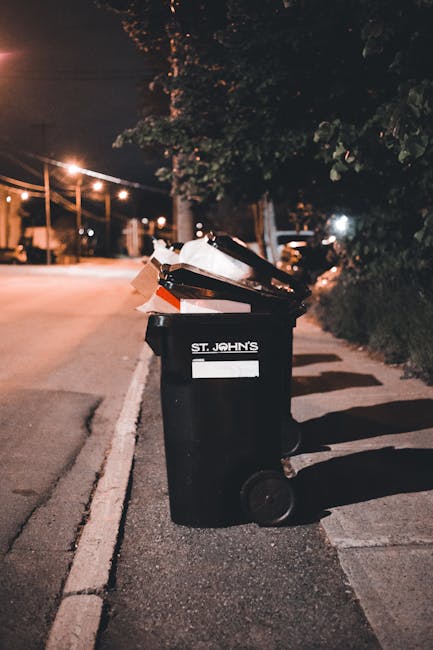
Crawley Borough Council rules for household rubbish collection: a practical local guide
If you live in Crawley and you have ever stood at the kerb on a grey morning wondering whether the bin is in the right place, on the right day, with the right lid shut, you are not alone. Crawley Borough Council rules for household rubbish collection can feel simple at first glance, but the details matter. Miss one collection window, put the wrong thing in the wrong bin, or leave bags out incorrectly and you may end up with a missed pickup, mess on the pavement, or a very avoidable headache.
This guide breaks everything down in plain English. You will find how household rubbish collection generally works in Crawley, what residents are usually expected to do, where the common mistakes happen, and how to keep your waste tidy, compliant, and easy to collect. If you are dealing with a bigger clear-out, there are also sensible next steps and a few useful local service options along the way.
Why Crawley Borough Council rules for household rubbish collection matters
Household rubbish collection rules are not just about putting the bin out on time. They shape how clean the street looks, how safely waste is handled, and how well recycling works across the town. In a busy place like Crawley, that matters more than people sometimes realise. A single missed detail can attract pests, cause overfilled bins, or leave waste scattered after a windy night. Not ideal, to put it mildly.
There is also a practical side. When your rubbish is sorted properly, your collection is usually smoother, your recycling has a better chance of being processed correctly, and you spend less time dealing with overflow. For households with children, shift work, or busy routines, that predictability is a small relief. You set things up once, and the system works around you.
It also helps to think about respect for neighbours. Nobody wants to wake up to torn bags, stale smells, or a trail of litter down the pavement. The rules exist partly to keep things civil and tidy. That may sound obvious, but the reality is that collection systems only work when everyone follows the same basic habits.
Expert summary: if you remember only one thing, make it this: keep waste in the correct container, present it where it can be collected safely, and only put out what the council service accepts. Simple. Not always easy, but simple.
How Crawley Borough Council rules for household rubbish collection works
Most household collection systems in the UK follow a similar pattern: general rubbish goes into one stream, recyclable materials into another, and any specialist or bulky items need separate arrangements. Crawley is no different in principle, although the precise bins, collection days, and accepted materials depend on the property type and local service setup.
As a resident, your main job is to present waste correctly. That normally means checking your collection day, separating recyclable items from residual waste, and placing containers out in the agreed spot at the right time. If you live in a house, this is often by the boundary or kerbside. If you live in a flat, the arrangements may be different and can depend on shared bin stores, access, and block management. For some homes, that part feels easy. For others, especially in flats or shared buildings, it can be where the confusion begins.
What counts as household rubbish? Usually, this means everyday waste from kitchens, bathrooms, and general home use. Think food packaging, non-recyclable wrappers, tissues, and similar residual waste. It does not mean everything you want to get rid of. That distinction is key. Broken furniture, old appliances, renovation debris, and green waste often fall into different categories and may need separate handling. If you are clearing out a loft or moving house, the pile can grow quickly, and it is tempting to shove everything in one bag. Resist that urge. It creates more problems later.
For larger clear-outs, a professional house clearance or home clearance service can be a practical backup when council collections are not the right fit. If that sounds like your situation, you may find the house clearance service or home clearance support more useful than trying to cram everything into standard bins.
The important point is that council collection rules are designed for routine household waste, not for every type of item a home can produce. Once you see that boundary clearly, everything becomes much easier to plan.
Key benefits and practical advantages
Following Crawley Borough Council rubbish collection guidance is not just about avoiding a warning or a refused bin. It comes with everyday benefits that are easy to underestimate.
- Cleaner kerbside conditions: tidy presentation reduces litter and smells around your property.
- Fewer missed collections: correct bin use and placement makes it more likely your waste is taken the first time.
- Better recycling habits: clear sorting helps keep reusable materials out of general waste.
- Less stress during busy weeks: once the routine is set, rubbish becomes one less thing to think about.
- Reduced nuisance to neighbours: nobody enjoys stray rubbish blowing down the road on a windy Thursday morning.
There is another benefit that people sometimes miss: good waste habits make decluttering feel more manageable. If you are sorting through a garage, loft, or spare room, the discipline of deciding what goes where often makes the whole task feel smaller. You move one bag at a time, one box at a time, and before you know it the job is under control. Truth be told, that is often the difference between a project that gets finished and one that sits half-done for months.
If your household waste is only part of a bigger clear-out, services like garage clearance, loft clearance, or furniture disposal may be a better fit for the non-routine items that council bins simply were not built for.
Who this is for and when it makes sense
This topic matters to almost every household in Crawley, but some people need it more urgently than others.
- New residents: if you have just moved into the area, local bin rules are one of the first things worth getting right.
- Families with more waste: busy kitchens, nappies, packaging, and school-life clutter can fill bins quickly.
- Flat residents: shared storage, communal bins, and access issues can make collection arrangements less obvious.
- Older households or carers: a clear routine helps keep waste manageable without extra lifting or confusion.
- People clearing a property: after a bereavement, tenancy end, or declutter, the standard bin service may not be enough.
- DIY-minded homeowners: renovation bits, builders' waste, and broken materials usually need separate disposal.
In our experience, the moment people most often need help is not when they are dealing with ordinary rubbish. It is when life gets messy. A move. A bathroom rip-out. A shed full of forgotten stuff. A sudden need to clear a relative's home. In those moments, standard household collection rules are still relevant, but they are only part of the picture.
If the job goes beyond normal kerbside rubbish, it may make sense to look at flat clearance for apartment-related clear-outs, builders waste clearance for renovation debris, or garden clearance for soil, branches, and outdoor waste. Different stream, different rules. Simple as that.
Step-by-step guidance
Here is a straightforward way to stay on the right side of household rubbish collection rules in Crawley without making it a chore.
- Check your collection day early. Do not wait until the night before. If your routine changes, put a reminder in your phone or calendar.
- Separate recycling from general waste. Keep the stream clean. Food-contaminated packaging, mixed materials, and wet paper can create problems fast.
- Use the correct bin or container. Overfilled lids, loose sacks, and random containers can all lead to issues.
- Break down large items where permitted. Flatten cardboard and compress light waste so it sits properly.
- Place bins out where collectors can access them safely. If access is blocked by parked cars, gates, or garden clutter, the collection may be missed.
- Bring containers back in after collection. Leaving them out for days is untidy and can obstruct pavements.
- Arrange a separate solution for bulky or special waste. Do not assume it can go in the household bin.
A practical way to think about it: if an item feels too heavy, too awkward, too sharp, or too large for an ordinary bin, it probably needs another route. That is usually where people run into trouble. A half-disassembled wardrobe in a wheelie bin? No. A bag of crisp packets and dry wrappers? Fine, if your local recycling or residual waste rules allow it. See the difference? Good.
If your household is dealing with a bigger amount than the bins can handle, a broader waste removal solution can save time and prevent a pile-up while you work through the mess properly.
Expert tips for better results
Small habits make a big difference with household waste. These are the ones that tend to help most.
- Set up a simple sorting station inside the home. A few labelled containers in the kitchen, utility room, or garage can reduce contamination and confusion.
- Keep a spare liner or sack ready. Sounds minor, but it saves that annoying moment when a bin is full and you are hunting for a replacement bag.
- Watch for contamination. Rinse containers where needed and keep food residue out of recycling where possible.
- Plan around weather. On wet or windy days, secure lightweight items and avoid leaving loose waste out too early.
- Deal with awkward items promptly. One broken chair left in the hallway turns into three items, then five. It happens.
- Use a separate pile for things to donate, repair, recycle, or dispose of. Decision-making gets easier when the categories are visible.
One tiny but useful habit: stand at the bin for five seconds before you close the lid and ask, "Would I be happy if this were placed exactly as it is now for collection?" If the answer is no, fix it then. That short pause can prevent a failed collection and save the whole household a bit of grumbling later on.
For furniture-heavy clear-outs, the specialist pages for furniture clearance and furniture disposal are useful because large household items rarely belong in ordinary rubbish streams.
Common mistakes to avoid
Most collection problems come from a small number of repeat mistakes. The good news is they are easy to avoid once you know what to look for.
- Putting the wrong waste in the wrong container. This is the classic one. It can lead to non-collection or contamination.
- Overfilling bins. If the lid cannot close, expect trouble. Crews need safe, manageable containers.
- Leaving waste out too early. Early presentation can create obstruction, mess, and opportunistic animals or pests.
- Forgetting to remove non-accepted items. Batteries, liquids, gas-related items, and sharp materials often need special handling.
- Assuming all bulky waste is a normal bin job. It is not. Sofas, wardrobes, and mattresses usually need separate arrangements.
- Ignoring access issues. A blocked path, locked gate, or parked car can stop a safe collection.
There is also a behavioural mistake, and honestly it is common: people wait until the last minute and then try to solve a whole month of waste in one frantic go. That rarely ends well. A little bit each week is calmer, cheaper in effort, and less likely to lead to an overflowing mess by the front wall.
When the problem is not routine rubbish but a whole property full of items, it is worth considering a full house clearance instead of trying to brute-force the bin system into doing a job it was never designed for.
Tools, resources and recommendations
You do not need a complicated toolkit to manage household rubbish well. In most homes, a few simple items and habits are enough.
- Calendar reminders: useful for collection days, especially if schedules change across holidays or household routines.
- Labelled indoor bins: the cheapest and easiest way to reduce sorting mistakes.
- Sturdy reusable sacks or boxes: handy for moving items to the correct container without spills.
- Gloves and basic cleaning supplies: especially helpful for broken items or damp waste.
- Dedicated storage space for clear-out items: even a corner of the garage can keep things organised until disposal day.
If sustainability matters to you, it is worth choosing disposal routes that prioritise reuse and recycling where possible. That may mean keeping salvageable furniture separate, arranging specialist collection for larger items, or learning what your household can realistically recycle at home. The small choices add up.
For readers who want a better look at wider waste practices, the page on recycling and sustainability is a useful place to understand how disposal choices can support a cleaner, lower-waste approach. And if you want to know more about the business behind the service, about us gives you a sense of the company values and working style.
Law, compliance, standards, or best practice
With household waste, the safest approach is to follow the council's published collection arrangements and any instructions for your property type. UK waste handling also sits within a wider framework of environmental responsibility, duty of care, and safe presentation for collection. You do not need to be a lawyer to get this right, but it does help to know the basics.
Best practice usually means four things:
- Only present accepted materials.
- Keep waste contained and secure.
- Separate recyclables from residual waste where required.
- Use lawful disposal routes for items that do not fit normal household collection.
For anything hazardous, sharp, electrical, or contaminated, take extra care. If you are unsure, treat it as special waste until you confirm otherwise. That is the cautious, sensible way. No drama. Just avoid guessing.
Households should also be careful not to leave waste where it could create a public nuisance or obstruct access. If you are managing waste on behalf of someone else, such as a relative, landlord, or tenant, the same standards of care still apply. A tidy system protects everyone involved.
Options, methods, or comparison table
Choosing the right disposal route depends on the type and amount of waste. This table gives a simple comparison.
| Option | Best for | Strengths | Limitations |
|---|---|---|---|
| Standard council household collection | Everyday rubbish and routine recycling | Convenient, familiar, built into home life | Not suitable for bulky items, renovation waste, or special waste |
| Special collection or arranged pickup | Bulky household items and awkward pieces | Handles larger items more safely | Needs planning and may not suit urgent clear-outs |
| Professional clearance service | House moves, probate, lofts, garages, and mixed loads | Saves time, reduces lifting, copes with volume | Usually more involved than a simple bin routine |
| DIY drop-off or self-managed transport | Smaller amounts if you have transport and time | Flexible and direct | Requires effort, sorting, and safe handling |
For many households, the best answer is a mix. Routine waste goes through the council collection system, while awkward one-off items get handled separately. That keeps life calmer and prevents the classic "one bin, too many jobs" problem. Not glamorous, but effective.
Case study or real-world example
Imagine a family in Crawley has just finished a garden refresh and a slow clean-up of the spare room. The weekly rubbish bins are full, there are a few broken shelves, a bag of old textiles, some cardboard, and one heavy chair that nobody wants to wrestle down the stairs. In a rush, it would be easy to put half of it out with the normal bins and hope for the best.
Instead, they sort the waste into three groups: routine rubbish, recyclable cardboard, and items that need separate removal. The household rubbish is put out correctly on collection day, the cardboard is flattened, and the chair is earmarked for a specialist disposal route. The result is less clutter outside, fewer chances of a missed pickup, and far less stress for everyone involved.
That may sound like a small thing, but these are the situations that create real frustration. A single mixed-up load can turn a tidy Saturday into a week of annoyance. When people slow down and sort properly, the whole process becomes much easier. Sometimes boring is better. Very much so.
If the job had been bigger still, a combined service such as garage clearance or loft clearance could have taken the pressure off completely.
Practical checklist
Use this quick checklist before collection day or before arranging a bigger clearance.
- Check the correct collection day.
- Separate recycling from household rubbish.
- Keep lids closed and bins not overfilled.
- Make sure access to the collection point is clear.
- Remove anything that needs specialist disposal.
- Flatten boxes and tidy loose materials.
- Keep bags secure and manageable.
- Bring containers back in after collection.
- Book a separate solution for bulky or mixed clear-out waste if needed.
- Review local instructions if your property type has special arrangements.
If you tick all ten, you are usually in good shape. Not fancy, just practical.
Conclusion
Crawley Borough Council rules for household rubbish collection are easiest to follow when you treat them as a simple routine rather than a mystery to solve each week. Keep waste sorted, present it safely, and separate out the things that do not belong in normal household bins. That one habit will save time, reduce mess, and make your home feel more under control.
For routine rubbish, a steady system is enough. For bigger or messier jobs, the right clearance service makes life much easier. The goal is not perfection. It is a tidy, workable home and a process you can rely on without stress.
Get a free quote today and see how much you can save.
And if you ever find yourself staring at a pile of mixed waste with a mug of tea going cold beside you, take a breath. There is almost always a straightforward way through it.
Frequently Asked Questions
What are Crawley Borough Council rules for household rubbish collection in simple terms?
They are the local instructions for how to separate, store, and present your household waste so it can be collected safely and efficiently. That usually includes using the right bin, putting it out on the correct day, and keeping non-routine waste out of ordinary collections.
Can I put all my rubbish in one bag if it is only a small amount?
Usually, no. Even small amounts need to follow the correct sorting rules. Mixing recycling with general waste can create contamination, and some items should never go in a normal household bag at all.
What counts as household rubbish rather than special waste?
Household rubbish is generally your everyday non-recyclable waste from normal home life. Special waste is anything bulky, hazardous, awkward, electrical, sharp, or otherwise unsuitable for ordinary bin collection.
What should I do if my bin is too full?
Do not force the lid shut or pile waste on top unless the council guidance specifically allows it. The safer move is to reduce the waste volume, hold some back for the next cycle, or arrange a separate disposal route for excess items.
Why was my rubbish collection missed?
Common reasons include the bin being out late, the wrong waste in the wrong container, overfilling, blocked access, or items that are not accepted. If you have followed the instructions and it still was not taken, review the collection guidance carefully.
Can I leave rubbish out the night before collection?
That depends on the local arrangement and the specific property type, but early presentation can cause problems if waste becomes an obstruction or is disturbed overnight. Keeping to the recommended timing is usually the safest choice.
How do household rubbish rules differ for flats?
Flats often use communal bins, shared stores, or access-controlled collection points. That means the rules may focus more on where to place waste, how to keep bin stores clear, and how residents share responsibility for the space.
What should I do with bulky items like sofas or wardrobes?
Bulky items usually need a separate collection route or a clearance service. They are not suitable for normal household bins, and trying to force them into the system usually creates more work, not less.
Is recycling really worth the effort for a busy household?
Yes, because a small sorting habit can make collections cleaner and reduce the amount of waste going into the residual bin. Once the kitchen setup is in place, it becomes much quicker than people expect.
What is the best option for a full-house clear-out?
For a full clear-out, a professional house clearance or home clearance service is often the most practical route. It is especially helpful when you have mixed items, furniture, loft contents, or waste that cannot be handled through normal council collections.
Do I need to clean and sort items before disposal?
Yes, whenever it is practical. Clean, sorted items are easier to handle and less likely to cause contamination. You do not need to scrub everything to perfection, but a basic level of tidiness makes disposal smoother.
Where can I get help if I am unsure about a larger disposal job?
If your waste goes beyond ordinary household rubbish, look at the relevant clearance service page, such as waste removal, or get in touch through the site's contact page for guidance on the right option. That way you can match the solution to the job instead of guessing.
If you are comparing services, checking how a company handles safety and professionalism is sensible too. Pages like health and safety policy, insurance and safety, and terms and conditions can give you a clearer sense of how the work is managed.