RH10 estate bulky rubbish collection options near Three Bridges: a practical local guide
If you live in an RH10 estate near Three Bridges, bulky rubbish has a habit of showing up at the worst possible moment. A broken wardrobe. An old mattress. A sofa that looked fine until you tried to move it. Suddenly the hall is cluttered, the lift is awkward, and the idea of dragging everything to the kerb feels like a job for another week. This guide to RH10 estate bulky rubbish collection options near Three Bridges breaks down the realistic ways to get rid of larger items, what each option suits best, and how to avoid the usual headaches.
We will look at council collection routes, private removal, estate-friendly planning, and the practical bits people often miss: access, timings, sorting, and what happens when items are too large for a standard bin lift. If you need a straightforward next step, you can also browse the wider bulky waste removal service information, or compare nearby support through the main Three Bridges rubbish removal page. Short version? There are options, and the best one depends on how much you have, how quickly it needs to go, and how easy it is to get it out of the property without turning the stairwell into a battlefield.
Truth be told, bulky waste is rarely just about the waste. It is about time, access, neighbours, and getting the job done without extra stress. So let's make it simple.
Why RH10 estate bulky rubbish collection options near Three Bridges Matters
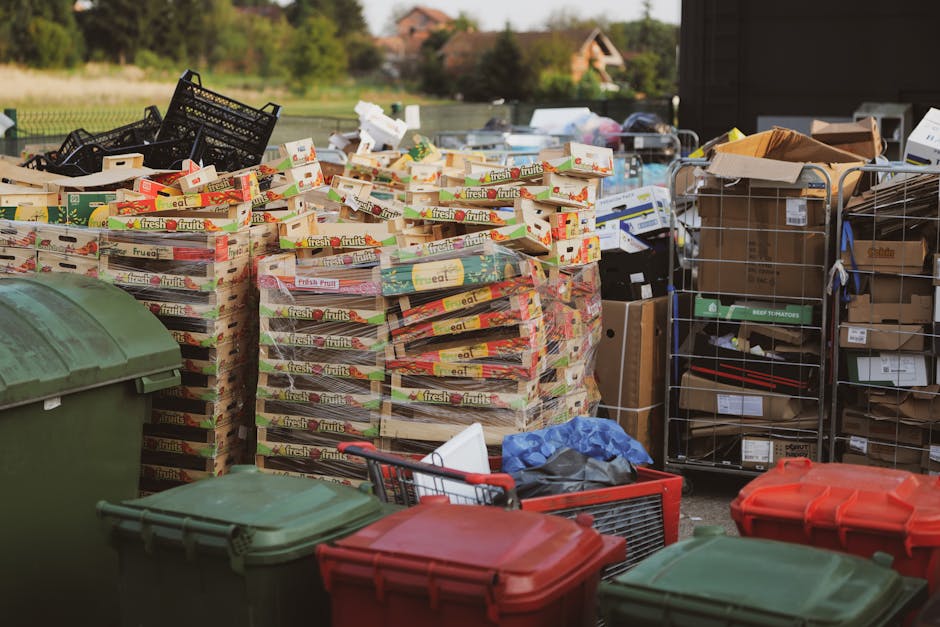
On paper, bulky rubbish sounds straightforward. In real life, it can be awkward, bulky in the literal sense, and a bit time-sensitive. RH10 includes a mix of homes and estate layouts where access can be tight, parking is limited, and large items may not fit neatly into a standard waste routine. Near Three Bridges, that often means you need to think beyond the usual wheelie bin cycle and choose the right removal method for the space you actually live in.
Why does that matter? Because the wrong choice can cost you time, create avoidable mess, or lead to items being left outside longer than they should be. On an estate, that can affect communal areas quickly. One abandoned sofa by a bin store suddenly becomes everyone's problem. And nobody wants that, especially on a damp Tuesday when the stairwell already smells faintly of old carpet and takeaway boxes.
For landlords, housing managers, busy families, and people clearing a flat after a move, the stakes are a bit different but the principle is the same: choose a collection option that fits the property, the volume, and the urgency. If you want a broader understanding of local waste support, the Crawley area coverage page is useful for checking how local collection services are typically organised across nearby neighbourhoods.
There is also a practical community angle here. Estate bulky waste handled well tends to stay out of the way. It is easier for residents, easier for cleaners, and easier for anyone coordinating maintenance or voids. That sounds obvious, but it makes a big difference when items are large, heavy, or awkwardly shaped.
How RH10 estate bulky rubbish collection options near Three Bridges Works
Most bulky rubbish collection in RH10 falls into one of a few routes: local authority collection, private collection, skip hire, or a self-managed trip to a disposal site where that is practical and permitted. Each route works differently, and the best one depends on the nature of the items as much as the number of items.
1. Council bulky waste collection
This is usually the most familiar option for residents. In broad terms, you book a collection, place the approved items where instructed, and wait for them to be taken away. Councils often have item limits, booking rules, and specific acceptable items. It can be a good fit for a small number of bulky pieces, but it may not be ideal if you need a fast turnaround or have tricky access.
2. Private bulky waste removal
This is the more flexible option. A private team can often collect from inside the property, from a ground-floor flat, or from an estate location where the access is awkward. For people dealing with heavy furniture, appliances, or mixed waste from a clear-out, that flexibility is often the deciding factor. It is especially useful if you need the job done with less back-and-forth and fewer restrictions.
3. Skip hire
Skips make sense where there is enough waste to justify one and where placement is feasible. On estates, though, skip hire can be complicated by space, permission, and neighbour impact. A skip sitting near a block or communal parking area can create objections very quickly. To be fair, it is not always the neatest fit for an apartment estate unless there is a proper place for it.
4. Self-removal
If you have a suitable vehicle and access to a facility that accepts household bulky waste, self-removal can work. But it is usually only practical for smaller loads and people comfortable with lifting, securing loads, and making a careful journey. For most estate residents, especially those without a van, it is not the easiest route.
In a typical Three Bridges estate scenario, the main questions are: how much do you have, who can move it safely, and how quickly do you want the space back? Ask those three questions honestly and the best option usually becomes clearer.
For residents also dealing with mixed household waste during a clear-out, the domestic rubbish removal service can be a useful companion option, especially where the bulky items are only part of a bigger tidy-up.
Key Benefits and Practical Advantages
The real benefit of a good bulky rubbish collection option is not just getting rid of items. It is getting rid of them with less disruption, fewer surprises, and less risk of damage or complaints. That is the quiet value people tend to notice afterwards.
- Less strain and safer handling: big furniture and appliances are awkward, and lifting them badly is a quick way to hurt your back or chip a wall.
- Better fit for estate living: options that include collection from the property or a agreed pickup point are often more suitable where parking and lift access are limited.
- Faster clearance: when you need a room cleared for decorating, moving, or repairs, speed matters more than squeezing out every last penny.
- Cleaner communal areas: prompt removal reduces the chance of items lingering by bin stores or on pathways.
- Less coordination stress: if you have work, children, or a move going on, a simple booking process is worth a lot. Honestly, it is one less thing to juggle.
Another advantage, often overlooked, is predictability. A decent service will tell you what can be taken, what needs to be separated, and what level of access is required. That clarity helps avoid the classic "it sounded simple when I booked it" moment.
If the task forms part of a broader clear-out, such as an end-of-tenancy or a property refresh, it can also help to combine bulky collection with a more general clearance plan. For example, the house clearance service is worth considering when the job is bigger than a single sofa and a mattress.
Who This Is For and When It Makes Sense
Bulky rubbish collection is not just for people who are moving house. In RH10 and around Three Bridges, it helps a whole range of residents and property users.
- Flat residents on estates: when the lift is too small, the stairwell is too tight, or the bin area is not suited to large items.
- Families clearing old furniture: kids outgrow beds, wardrobes lose their appeal, and suddenly there is a lot to move.
- Landlords and letting agents: after a tenancy ends, you may need bulky items removed before cleaning, checks, or re-marketing.
- Homeowners doing repairs: old carpets, broken cabinets, and bathroom fittings can pile up quickly.
- People supporting a relative's move or declutter: these jobs can be emotional as well as physical, and an organised collection helps reduce the strain.
It makes sense when the items are too large for normal bins, too awkward for a car boot, or too many to manage one by one. A single broken wardrobe might be a simple job. A full flat's worth of furniture is a different matter entirely.
There is also a timing question. If you have decorators booked, a tenancy deadline, or a washing machine that's finally given up the ghost with a very dramatic clunk, you may not want to wait around. That is where a more flexible private collection often wins out.
Step-by-Step Guidance
A sensible process saves time and avoids the awkward, "oh no, that was meant to go too" moment. Here is a practical way to handle bulky rubbish collection near Three Bridges.
- List everything that needs removing. Walk through the rooms slowly and write it down. Include the obvious items, then check under beds, in sheds, and behind doors. You will nearly always find one extra item.
- Separate bulky items from general waste. Bulky collections often work best when furniture, appliances, and loose rubbish are grouped sensibly.
- Measure the largest pieces. Doorways, stair turns, lifts, and narrow corridors matter. A quick tape measure can save a lot of swearing later.
- Check access and parking. Is there space outside? Can a van stop nearby? Will the team need to walk a long distance from the property?
- Decide whether sorting is needed. Some items may need separating, especially if they contain mixed materials or electrical parts.
- Choose the right collection route. Small, straightforward loads may suit council booking. Larger or urgent jobs usually suit private collection.
- Book a time that fits the estate. Avoid peak school-run chaos or times when parking is at its worst. Early morning can sometimes be easiest.
- Prepare the items. Empty drawers, tape shut loose doors, remove hazards, and keep pathways clear.
- Confirm the final details. Check what happens on arrival, where the collection point is, and whether anything needs to be moved to a specific location.
That sequence sounds basic, but it works. The best collections are usually the ones where the prep is done before anyone arrives, not after the van is already waiting on the road with its engine ticking.
If you are doing a broader estate tidy-up, it can help to pair bulky waste with a garden waste removal plan or even a small office clearance if the items come from a home workspace. Mixed jobs are common. Life is messy like that.
Expert Tips for Better Results
After dealing with enough bulky rubbish jobs, a few patterns show up again and again. The following tips may sound small, but they make a proper difference.
Plan around access, not just volume
People often think in terms of "how many items" and forget "how do we physically get them out?" On an estate, access is often the real constraint. A one-item collection can still be difficult if the item is heavy, oversized, or awkward to turn in a corridor.
Keep paths clear before the team arrives
It sounds obvious, but a hallway full of shoes, prams, recycling bags, and coat racks slows everything down. Clear the route from the room to the exit. It helps the job feel calmer from the start.
Be honest about item condition
If an item is damp, damaged, broken down, or partly dismantled, say so in advance. That helps avoid surprises and means the collection is more likely to go smoothly.
Think about neighbours
On estates, noise, parking, and communal space matter. A little courtesy goes a long way. If a lift needs to be shared or a loading bay is busy, timing the collection well can save a lot of friction. Little things, really, but they count.
Choose removal before clutter spreads
One broken sofa can quickly become two broken chairs and a box of "things to sort later." That is how clear-outs get away from people. If the items are already in one place, book sooner rather than later.
A small but useful mindset shift: don't ask only "what is the cheapest option?" Ask "what gets the job done cleanly, safely, and with the least disruption?" Sometimes that answer is not the cheapest on paper, but it is the better value.
Common Mistakes to Avoid
Most bulky waste problems are preventable. The tricky part is that the mistakes are usually small, ordinary ones. The kind people make when they are busy.
- Leaving items outside too early: this can block walkways, upset neighbours, and create a mess if the weather turns.
- Not checking what the service accepts: some items need separate handling, especially electricals or mixed-material loads.
- Underestimating size and weight: a chest of drawers seems manageable until you have to carry it down two flights of stairs.
- Forgetting about access restrictions: estate gates, parking rules, and loading limitations can change what is practical.
- Assuming all bulky collections are the same: they are not. Council booking, private pickup, and skip hire each suit different jobs.
- Ignoring sorting needs: mixed waste can complicate collection, especially where recycling or separate material handling applies.
One of the biggest mistakes is simply waiting too long. A room full of unwanted furniture can make everything else harder - cleaning, decorating, moving, even sleeping if the bed frame is still in the way. We've all been there, or near enough.
Tools, Resources and Recommendations
You do not need a van-load of specialist gear to get organised, but a few basic tools make the process smoother.
- Tape measure: useful for checking doorways, lifts, and the dimensions of bulky items.
- Marker labels or sticky notes: good for marking what is going and what is staying, especially in a shared household.
- Basic gloves: helpful when moving dusty or rough items.
- Strong bags or boxes: for smaller loose pieces that would otherwise spill everywhere.
- Phone photos: simple, but effective when you want to explain the job clearly before booking.
For a property that needs more than a one-off bulky pickup, it can be worth checking whether a broader clearance service suits the job better. For example, the commercial rubbish removal page is helpful if the items come from a business unit, rental turnaround, or mixed-use space. The garbage collection service information can also help when you are comparing different collection styles and deciding what feels easiest.
If you are still at the "what on earth should I do with all this?" stage, start with photos and measurements. That alone usually turns a vague headache into a manageable plan.
Law, Compliance, Standards, or Best Practice
For householders and estate residents, the main thing is to use a legitimate, responsible waste route. In the UK, waste should be collected and handled by someone authorised to carry it away, and you should be careful not to hand items to an informal remover who cannot explain where the waste is going. That is not just a paperwork issue; it is a fly-tipping risk if things go wrong.
Best practice on an estate usually includes:
- keeping communal areas clear and safe,
- avoiding damage to walls, lifts, or flooring during removal,
- making sure electrical and mixed-material items are handled appropriately,
- not leaving bulky waste out unless a collection has been arranged,
- checking whether any estate management rules affect parking or access.
If you are a landlord or managing agent, it is especially wise to document what was removed and when. That avoids confusion later, which, let's face it, is always welcome. For larger property resets, the end-of-tenancy clearance page is relevant because exit deadlines and bulky waste often arrive together.
One important note: rules, permissions, and service limits can vary depending on the property and collection method. If you are unsure, ask before moving anything into a communal area. It is easier to confirm first than to fix an avoidable problem afterwards.
Options, Methods, or Comparison Table
Choosing the right bulky rubbish option is mostly about matching the method to the job. This table gives a simple side-by-side view.
| Option | Best for | Pros | Trade-offs |
|---|---|---|---|
| Council bulky collection | Small, straightforward household items | Familiar process, suited to lighter jobs | May have booking rules, item limits, and less flexibility |
| Private bulky waste removal | Urgent jobs, difficult access, mixed large items | Flexible timing, often easier for estates and flats | Usually more expensive than a basic council-style route |
| Skip hire | Larger clear-outs with enough space for a skip | Good for ongoing loading over time | Needs space, may require permission, not ideal on tight estates |
| Self-removal | Small loads and people with suitable transport | Direct control over timing | Heavy lifting, fuel, loading, and disposal logistics are all on you |
If you are only dealing with one or two items, a council option can make sense. If you are dealing with a full room, a mixed clear-out, or access challenges, private collection is often the smoother route. It really is that simple, even if the choice itself is not always obvious at first.
Case Study or Real-World Example
Here is a realistic local scenario. A resident on an RH10 estate near Three Bridges had an old wardrobe, a divan base, and two broken dining chairs taking up half a hallway. The flat was on the second floor, the lift was narrow, and the tenant needed the place cleared before fresh flooring was due the following week.
The first thought was to dismantle everything and try to move it out piece by piece. That quickly looked like a bad afternoon. Instead, the items were measured, grouped, and prepared in advance. The wardrobe doors were removed, loose fixings were bagged, and the route to the exit was cleared so the carry-out would be quick and tidy. The resident also made sure the booking time avoided peak parking pressure outside the block.
What made the difference was not brute force. It was planning. The job became manageable because the access issue was dealt with before the team arrived. The room was clear, the hallway stayed usable, and the fresh flooring could go in on time. Small win, big relief.
That kind of situation is very common. The waste itself is usually not the problem. The access, timing, and coordination are what decide whether the day feels easy or chaotic.
Practical Checklist
Use this checklist before booking or arranging collection:
- List all bulky items that need removing.
- Measure the biggest items and note anything awkward.
- Check whether the items are inside, outside, or in a communal area.
- Confirm parking, loading, and access around the estate.
- Separate bulky items from general rubbish.
- Decide if you need fast collection or can wait for a simpler booking slot.
- Take photos if the items are hard to describe.
- Ask whether any items need special handling.
- Clear the route from the room to the exit.
- Keep neighbours and building rules in mind.
One more thing: if you are in the middle of a move, the whole process can feel a bit relentless. Take it one room at a time. That is usually enough.
Conclusion
Finding the right RH10 estate bulky rubbish collection options near Three Bridges is really about choosing the path that fits your property, your timing, and your level of hassle tolerance. For a small load, a straightforward council route may be enough. For difficult access, larger volumes, or a short deadline, private collection is often the more practical answer. Skip hire can work well in the right setting, but on estates it is not always the neatest fit.
The best results usually come from simple preparation: measure first, sort the items, check access, and book a method that suits the layout of the building. That keeps things calmer, safer, and much less likely to turn into a last-minute scramble. And if the job feels bigger than it first looked, that is normal. Bulky waste has a way of pretending to be manageable until you start moving it.
If you want a smoother, less stressful removal, speak to a local team that understands estate access and household clear-outs. A quick conversation now can save a very long afternoon later.
Get a free quote today and see how much you can save.
Sometimes the most satisfying part is simply seeing the space again - clean floor, clear doorway, and room to breathe.
Frequently Asked Questions
What counts as bulky rubbish in an RH10 estate near Three Bridges?
Bulky rubbish usually means items too large or awkward for normal bin disposal, such as sofas, mattresses, wardrobes, tables, chairs, and some appliances. The exact acceptance rules can vary by collection method, so it is worth checking before you book.
Can bulky waste be collected from a flat or upper floor?
Often yes, but access matters. A private service may be able to collect from inside the property or from a difficult stairwell, while some council-style options may require items to be placed in a specific location. Always confirm what is expected.
Is private bulky rubbish collection better than council collection?
Not always better, just different. Council options can be suitable for simpler jobs, while private collection is often more flexible for estates, flats, urgent clear-outs, and awkward access. The best choice depends on your situation.
How do I know if skip hire is worth it?
Skip hire makes sense when you have enough waste to fill it and enough space to place it safely. On estates near Three Bridges, space and permission can be the main obstacles. If the waste is mostly a few large items, another option may be easier.
Do I need to dismantle furniture before collection?
Sometimes it helps, especially if items are too large for tight stairways or lifts. But not every item needs to be taken apart. If dismantling creates sharp edges or loose fixings, keep that in mind and secure everything properly.
What should I do with broken appliances?
Broken appliances are usually best handled separately from general rubbish because they may contain electrical parts or other materials that need special treatment. Mention them in advance so the collection method is right for the item.
Can bulky items be left in communal areas before collection day?
Usually it is better not to leave items out early, especially in shared spaces. This can block access, create complaints, or breach estate rules. Keep items inside until the agreed collection time unless you have been told otherwise.
How far in advance should I book?
If the job is straightforward, a short lead time may be fine. If you need a specific slot, have an urgent move, or live somewhere with tricky access, book earlier. That gives you more flexibility and fewer surprises.
What if I have a mix of bulky items and loose rubbish?
That is very common. Mixed loads can often be handled together, but they may need sorting first. A mixed clear-out is often better suited to a broader removal service than a single-item collection.
Are there any risks in using an unlicensed waste collector?
Yes. If waste is handed to someone who cannot handle it properly, it can end up fly-tipped or managed badly. That can create trouble later, so it is sensible to use a proper, traceable collection route.
How can I make the collection day go more smoothly?
Clear the pathway, group the items, check parking and access, and be ready a little early. Photos and measurements also help. A bit of preparation usually saves a lot of effort on the day.
What is the simplest option for a one-off sofa or mattress?
For a single bulky item, either council collection or a private pickup may work depending on how quickly you need it gone and how much access you have. If you want less hassle and a faster turnaround, private collection is often the easier route.